People are more likely to change when they feel:
- Listened to
- Respected
- Supported to focus on what will help them
Rather than emphasising what change might cost, RETURN focuses on:
- What patients might gain
- How stabilisation or routine care could improve their quality of life
- Supporting patients to move forward at their own pace
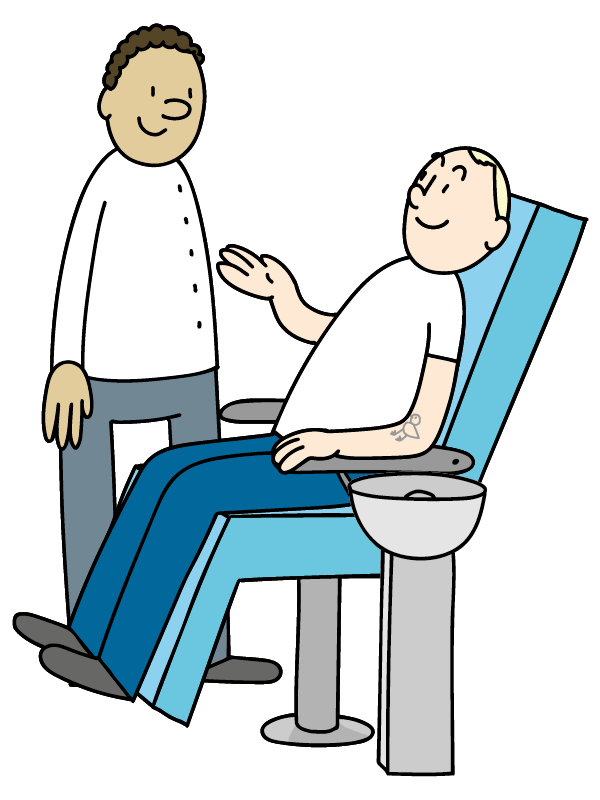
Historically, one way dental behaviours have been addressed is through fear-based messages.
For example:
- Emphasising consequences
- Focusing on blame or responsibility
Evidence shows that this approach does not support long-term behaviour change.
The RETURN intervention does not use fear or blame.